
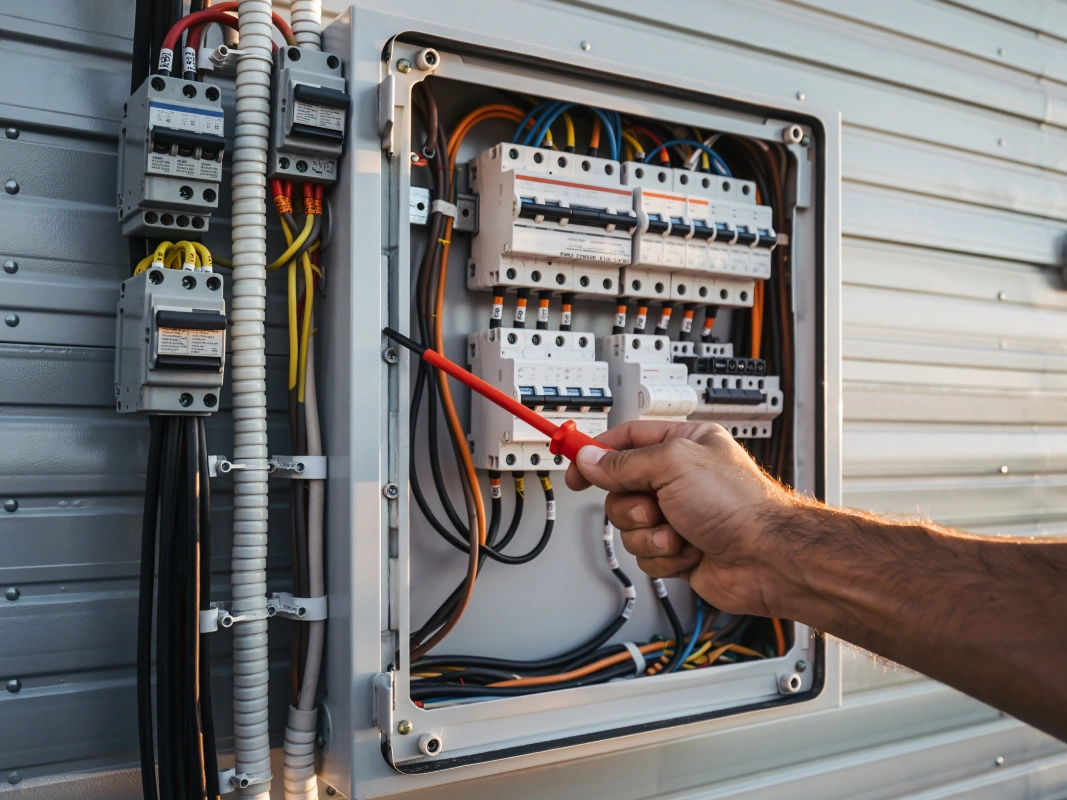
Understanding Capacity Requirements for Modern Homes
Today’s households demand significantly more electricity than homes built even two decades ago. Between charging multiple devices, running high-efficiency HVAC systems, powering smart home technology, and operating energy-intensive kitchen appliances, the average residential electrical load has increased substantially. Many Surf City homes still operate on 100-amp or 150-amp service, which was adequate when originally installed but now struggles to meet contemporary needs.
Amperage determines how much electrical current your home can safely draw at any given time. A 100-amp panel might handle basic lighting and a few appliances, but adding a tankless water heater, electric dryer, and central air conditioning can quickly exceed this capacity. When your system operates near its limit, you risk frequent breaker trips, dimmed lights during peak usage, and potential fire hazards from overheated wiring.
Calculating your home’s actual electrical needs requires accounting for all existing and planned electrical loads. Major appliances typically require dedicated circuits with specific amperage ratings. For instance, an electric range needs 40 to 50 amps, a central AC unit requires 20 to 60 amps depending on size, and an electric vehicle charger can draw 30 to 50 amps. When you total these loads along with general lighting, outlets, and smaller appliances, many modern homes need 200-amp service to operate safely and efficiently. Upgrading to adequate capacity eliminates the frustration of managing which devices you can run simultaneously and ensures your electrical system can accommodate future additions without another costly upgrade.
Coastal Environmental Factors Affecting Electrical Systems
Living near the coast in Surf City brings unique challenges for electrical infrastructure that inland properties rarely encounter. Salt-laden air, high humidity levels, and exposure to storm systems create a corrosive environment that accelerates deterioration of electrical components. Metal parts within panels, including bus bars, breaker contacts, and wire terminals, gradually corrode when exposed to moisture and salt particles that infiltrate even well-sealed enclosures.
Corrosion increases electrical resistance at connection points, generating excess heat that further degrades components and creates fire risks. Breakers affected by corrosion may fail to trip during overload conditions or become stuck in the on position, eliminating the protection they are designed to provide. The problem intensifies in homes where panels are located in garages, crawl spaces, or exterior walls where temperature fluctuations cause condensation inside the enclosure.
Coastal storms bring additional risks beyond gradual corrosion. Heavy rains can cause water intrusion if panel seals have deteriorated or if the installation lacks proper weather protection. Lightning strikes, more common in coastal areas during summer months, can send surges through electrical systems that damage panels and connected devices. Hurricane-force winds may cause physical damage to service equipment or disrupt utility connections.
Modern panels designed for coastal installation incorporate corrosion-resistant materials and enhanced sealing to withstand these environmental stressors. When upgrading your electrical system in Surf City, selecting components rated for marine or coastal environments significantly extends service life and maintains safety. Proper installation includes weatherproof enclosures for exterior panels, adequate clearance from grade level to prevent flooding exposure, and surge protection to guard against lightning-related damage. Regular inspections become particularly important in coastal locations to identify developing corrosion issues before they compromise system integrity.
The Replacement Process and What to Expect
Replacing an electrical panel involves careful planning, coordination with your utility provider, and precise execution by licensed electricians. Understanding the process helps homeowners prepare appropriately and set realistic expectations for the project timeline and temporary disruptions.
The process begins with a thorough assessment of your home’s electrical needs, existing wiring condition, and available utility service capacity. This evaluation determines the appropriate panel size, identifies any necessary wiring upgrades, and ensures your utility service can support the new capacity. In some cases, the utility company must upgrade the service drop and meter base before panel replacement can proceed, adding time to the overall project.
Once planning is complete, the work itself typically requires a full day for standard residential installations, though complex situations may take longer. The utility company must disconnect power at the meter, leaving your home without electricity during the installation. Electricians remove the old panel, install the new enclosure, connect the main service wires, install circuit breakers, and reconnect all branch circuits. Each connection must be properly torqued, secured, and tested to ensure safe operation.
After installation, the system undergoes comprehensive testing to verify proper grounding, correct breaker operation, and appropriate voltage levels throughout your home. The utility company then reconnects service and inspects the installation, followed by a municipal inspection to ensure code compliance and issue final approval. This inspection process protects homeowners by confirming the work meets safety standards.
Preparing for the installation day involves several practical steps. Unplug sensitive electronics to protect against potential power surges during reconnection. If you work from home or have medical equipment requiring electricity, make alternative arrangements for the day. Clear the area around your existing panel to provide electricians unobstructed access. Expect your refrigerator and freezer to be without power for several hours, so avoid opening them unnecessarily. Once power is restored, you may need to reset clocks, reprogram thermostats, and restore settings on various devices throughout your home.
Code Compliance and Permit Requirements
Electrical work in North Carolina must comply with the National Electrical Code as adopted by state and local jurisdictions, with modifications specific to regional requirements. These regulations exist to protect homeowners from fire hazards, electrocution risks, and property damage caused by improper installations. Panel replacement always requires permits and inspections, regardless of project scope.
Permits serve multiple important functions beyond regulatory compliance. They create an official record of work performed, which benefits future homeowners and can be important for insurance claims or property sales. The permit process ensures that licensed, qualified electricians perform the work rather than unqualified individuals who might create dangerous conditions. Inspection requirements provide independent verification that installations meet safety standards.
Current code requirements for panel installations include several specific provisions. All circuits must include appropriate overcurrent protection matched to wire gauge and intended load. Ground fault circuit interrupters are mandatory for bathrooms, kitchens, garages, outdoor outlets, and other locations where moisture presents electrocution risks. Arc fault circuit interrupters must protect most living area circuits to prevent fires caused by damaged wiring. Panels require proper grounding and bonding to safely divert fault currents. Adequate working clearance around panels ensures safe access for maintenance and emergency situations.
Working with licensed electricians familiar with local requirements ensures your installation meets all applicable codes. These professionals understand permit application procedures, maintain necessary insurance coverage, and know inspection expectations. Attempting to bypass permit requirements or hiring unlicensed workers creates serious risks. Unpermitted work may violate insurance policy terms, potentially voiding coverage if electrical problems cause damage. When selling your home, unpermitted electrical work discovered during inspections can derail transactions or require expensive corrections. Building departments can issue stop-work orders and require removal of unpermitted installations, regardless of money already spent.
The inspection process typically involves reviewing the installation at completion to verify code compliance. Inspectors check that proper materials were used, connections are secure, grounding is adequate, and working clearances meet requirements. Once approved, you receive documentation confirming your electrical system meets safety standards, providing valuable protection and adding to your home’s value.
Long-Term Benefits and Return on Investment
Investing in a panel replacement delivers benefits that extend far beyond simply avoiding circuit breaker trips. The upgrade enhances safety, increases property value, enables home improvements, and provides the electrical infrastructure necessary for evolving technology needs.
Safety improvements represent the most significant benefit. Older panels with worn components, inadequate capacity, or outdated designs pose serious fire risks. Each year, electrical failures cause thousands of residential fires, many originating from overtaxed or deteriorating panels. Replacing an aging panel with modern equipment featuring current safety technologies dramatically reduces these risks, protecting your family and property.
Increased property value makes the investment financially attractive. Homes with updated electrical systems appeal to buyers who recognize the expense and disruption of post-purchase upgrades. Real estate agents report that updated panels facilitate smoother transactions with fewer inspection-related complications. While you may not recover the entire upgrade cost through increased sale price, avoiding price reductions and failed deals often makes the investment worthwhile.
A new panel enables home improvements that would otherwise be impossible. Installing central air conditioning, adding a home office with substantial electrical needs, finishing a basement, or upgrading to an electric kitchen range all require adequate electrical capacity. Without panel capacity, these improvements become impractical or require expensive temporary solutions. Planning your panel upgrade to accommodate foreseeable improvements eliminates future limitations.
Preparing for emerging technologies represents another valuable benefit. Electric vehicle adoption continues accelerating, and home charging infrastructure requires significant electrical capacity. Solar panel systems need adequate service capacity for net metering connections. Battery backup systems for power resilience depend on properly sized electrical infrastructure. Upgrading now positions your home for these technologies as they become increasingly common and desirable.
Energy efficiency improvements often accompany panel upgrades. The process provides an opportunity to redistribute circuits for balanced loading, reducing wasted energy from voltage imbalances. Adding capacity enables replacement of older, inefficient appliances with modern alternatives that require more power but use energy more effectively. Some homeowners combine panel upgrades with whole-house surge protection, preventing damage to expensive electronics and appliances.
When you are ready to modernize your home’s electrical infrastructure, experienced electricians can assess your current system, recommend appropriate upgrades, and complete the installation with minimal disruption. Professional service ensures your new panel meets current safety standards, provides adequate capacity for your needs, and positions your home for future technological advances. Quality electrical work protects your investment and provides reliable power distribution for decades to come.